Wednesday, May 12, 2010

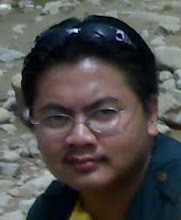
Perginya Seorang Tokoh Kadazan Kristian....


Mendiang Rev. Fr. Augustine Amandus…
Gambar diambil pada Januari 2000 diluar rektori Gereja St. Joseph Papar.
(Sumber:http://tpbppenampang.blogspot.com/)


Buat semua umat Katolik, marilah kita sama-sama mendoakan mendiang Fr. Augustine Amandus yang telah kembali kepada Bapa di Syurga pada 06 Mei 2010, jam 2.52 pagi di SMC, Damai.

Dilahirkan pada 10 Januari 1938 dan ditahbis pada 13 Disember 1966, beliau merupakan anak Kadazan yang pertama sekali memilih untuk melayani Bapa seumur hidupnya. Fr. Amandus telah berkhidmat di Paroki Papar dan Limbahau sebelum beliau diserang ‘strok’ pada Januari 2000.

Setelah serangan 'strok' itu, beliau menerima jagaan penuh cinta kasih daripada ibu saudaranya, Mother Bernadette, dan para rahib dari Konven St. Joseph Penampang. Fr. Amandus telah menjadi sebahagian ahli keluarga konven tersebut yang istimewa.

Misa Requiem untuk mendiang Fr. Amandus berlangsung pada 10 Mei 2010 pada jam 9.30 pagi di Gereja Holy Rosari Limbahau. Tubuh mendiang dibawa ke gereja dari rumah keluarganya di Papar pada petang hari Ahad, 9 Mei 2010, sehingga hari pengkebumian.

Marilah kita bersama-sama bersatu dalam doa dan memberi penghormatan terakhir kepada mendiang Fr. Amandus yang terkenal dengan senyumannya yang manis dan keperibadian yang sentiasa ceria.

1 Thessalonians 4:13-14
But I do not want you to be ignorant, brethren, concerning those who have fallen asleep, lest you sorrow as others who have no hope. For if we believe that Jesus died and rose again, even so God will bring with Him those who sleep in Jesus.

Monday, May 3, 2010

Keputusan Pertandingan Magagung & Sumazau di Kohominan OKK Joseph Gunsoi

Sebagai pembuka kata, saya mengucapkan tahniah dan syabas kepada Aki Sagat Team di atas penyertaan pada pertandingan pada 01 Mei 2010 yang lalu...

Sayang sekali Aki Sagat Team hanya berpuas hati dengan mendapat tempat saguhati... Lima pasukan yang berjaya ke peringkat akhir pada 08 Mei 2010 nanti adalah seperti berikut:

1. Sinompuru Bambarayon Kg. Kogopon
2. Kampung Titimboungon
3. Kampung Sabandil
4. Kampung Rampazan
5. Kampung Mikik

Kelima-lima pasukan tersebut memang hebat, namun begitu, Aki Sagat Team juga memberikan tentangan dan saingan yang tak kurang hebatnya dan perbezaan markah pun cuma 1-2 poin saja...

Hakim pada ketika itu pun terdiri daripada 9 ketua pasukan setiap kampung yang mana salah satunya ialah saya sendiri... Oleh itu, markah purata setiap hakim telah menjadi bench mark kepada keputusan akhir...

Namun demikian, Aki Sagat Team tidak berputus asa begitu saja kerana pertandingan ini telah mendewasakan setiap ahli dan meningkatkan input pengalaman yang sedia ada...

Aktiviti Aki Sagat Team tidak terhenti begitu saja kerana 'kontrak' perkhidmatan masih lagi banyak selepas ini...

Sebagai pengurus pasukan, saya begitu berbangga dengan adik-adik Aki Sagat Team di atas persembahan mereka yang mampu menegakkan bulu roma setiap penonton... Jika ada peluang, anda patut lihat sendiri persembahan mereka dan memberikan komen secara live samada mereka masih 'hijau' mentah ataupun sudah 'merah' ranum...

Akhir kata, terima kasih atas sokongan semua pihak, terutama sekali buat Encik Ajin Kulus dan isterinya yang turut sama hadir memberikan sokongan pada kepada kami. Juga tidak dilupai, kepada pengurus penari, Pn. Viany J. dan mummy nya, Pn. Bernadetha serta Encik Muin Galapan... Kecewa dan Gembira kita sama2 rasa kio... Yang penting dapat poh beras 10kg!!! Kotouhuadan kumaa diozu ngavi...

Tuesday, April 27, 2010

Latihan AkiSagat Team Sebelum Pertandingan Saringan Magagung & Sumazau...

Hari ini merupakan latihan bagi pemain dan penari AkiSagat Team sebelum pertandingan saringan magagung dan sumazau yang bakal diadakan Sabtu ini bersamaan 01 Mei 2010 di Kohominan Joseph Gunsoi.

Latihan praktis rancak dijalankan dan kedengaran juga bunyi paluan gong dan kulintangan pada malam hari yang menandakan kampung lain juga turut berusaha untuk mendapatkan kedudukan terbaik pada pertandingan itu kelak.

Saya tak dapat menyaksikan latihan tersebut pada hari ini disebabkan keletihan maksimum pada badan saya... Hehehehehe...

Tapi saya tetap bagi sokongan penuh untuk adik-adik AkiSagat Team kita...Cayooo!!!

Monday, April 26, 2010

THE ORIGINS AND MEANINGS OF THE TERMS “KADAZAN” AND “DUSUN”

There are many explanations and theories about the origins and meanings of the word ‘Kadazan’. In this short article, the writer shall try to explore the more popular meanings and origins put forward to explain the word ‘Kadazan’. Some of the more popular explanations put forward to explain the origins and meanings of the word ‘Kadazan’ are: Firstly, it is believed that the word came from ‘kakadazan’, which means ‘towns’. Secondly, it is believed that the word came from ‘kedaian’, derived from the word ‘kedai’ and supposedly to mean, people of the town. Thirdly, it is believed that the word came from ‘Kedayan’, the name of an ethnic group, residing mainly in Brunei and Labuan and not identified as part of the so-called ‘Dusunic’ peoples. Fourthly, it is believed that ‘Kadazan’ means ‘the people’. And fifthly, that the term was coined by politicians.

Let us examine the first explanation that ‘Kadazan’ came from ‘kakadazan’. ‘Kakadazan’ in the Tangaa’ dialect means ‘towns’. Did the Penampang and Papar Kadazan really name themselves after the word ‘town’? If so, why? Presumably, part of this view is the belief that the word ‘Kadazan’ was coined in the late 1950’s and early 1960’s. To judge the merits of this explanation, we have to consider the historical background of urban development in the Penampang District. In the fifties, there were only two towns, namely Donggongon and Kasigui. Donggongon had about 20 shops arranged in two rows on each side of the road, and Kasigui had about 10 shops built on one side of the road. Except for one shop, all the other shops in both Donggongon and Kasigui were owned by Chinese. The Penampang Kadazans were scattered in numerous villages in the Penampang District and they still are. How come these people, who never stayed in a town, suddenly decided to call themselves after ‘town’? Those who proposed this view have not come up with answers as to why these people––who did not live in a town––had decided to call themselves ‘people of the town’.

The second explanation for the origin of the word ‘Kadazan’ was that it was derived from the word ‘kedaian’ from the Malay word ‘kedai’. The writer looked for the word ‘kedaian’ in the Kamus Dewan, a Malay dictionary but failed to find such a word. Why would a group of people look for a non-existent foreign word to call themselves? Again those who espouse this explanation have not come up with valid reasons why the people of Penampang and Papar called themselves after a shop.

The third explanation is that the word ‘Kadazan’ came from the word ‘Kedayan’, which is the name of an ethnic group living mainly in Brunei and Labuan. In this explanation, it is not clear as to when this so-called change was made. As the Kedayan people are not part of the so-called ‘Dusunic’ group, there was and is very little contact between the two groups. In pre-Chartered Company days, any contact between disparate groups usually means war, and the Kedayans were residing too far away from Penampang to have any significant relationships with them and to have influenced them to adopt their ethnic name. Those who put forward this explanation have not given any reasons why the Kadazans of Papar and Penampang had decided to call themselves after the Kedayans. Moreover, the word ‘Kedayan’ is pronounced as [kedayan], therefore the sound [e] need to have undergone a big change to become [a] in the word ‘Kadazan’, also the sound [d] in ‘Kedayan’ is plosive (“hard d”) whereas the sound [d] in ‘Kadazan’ is implosive (“soft d”). Linguistically, this phenomenon seldom happens, what more when the sound [e] does not exist in the sound system of the Kadazan language.

The fourth explanation is that the word ‘Kadazan’ means ‘the people’. The Bobolian or Bobohizan (priestesses) say that the meaning of ‘Kadazan’ is ‘tulun’ or ‘tuhun’––people. This is not surprising as native peoples of the world seem to refer to themselves as ‘the people’ when calling themselves by name. For instance, the people living in Greenland and northern Canada are often referred to by outsiders as Eskimos. But these indigenous peoples, according to Priit J. Vesilind in his article, “Hunters Of The Lost Spirit” published in the National Geographic, vol. 163, No. 2, February 1983, pp.151-196––depending on where they lived and what ethnic group they belong to––call themselves ‘the people’. He wrote, “…The peoples of the Arctic, only 200,000 in the west, have stopped apologizing for themselves. They are not merely unfinished products of the civilisation process. They are the Yupiks and the Inupiat and the Athapaskans in Alaska, the Dene and the Inuit in Canada, the Inuit in Greenland, and the Saami in Scandinavia. These names mean roughly the same thing––‘the people’.” (page 155). Closer to home in Vietnam, we have a similar situation where outsiders call the indigenous people by different names but these people also refer to themselves as ‘the people’. Peter T. White in his article, “Mosaic Of Cultures” published in the National Geographic, vol. 139, No. 3, March 1971, when referring to the minority ethnic groups in Vietnam, wrote, “…These minorities often do not like what other people call them. When the South Vietnamese want to be polite they lump them together as ‘Montagnards’, French for ‘mountain men’, but more often they call them ‘moi’, Vietnamese for ‘savage’. Their own name for themselves may be ‘People of the Forest’ or simply ‘the people’ (page 323). The Chinese people often refer to themselves also as ‘the people’ and call others ‘kui’ or devil. So when the indigenous people of Penampang and Papar call themselves ‘Kadazan’ meaning ‘the people’, then it is perfectly logical as other indigenous peoples of the world also call themselves ‘the people’. As to how long the word ‘Kadazan’ has existed, it is logical to assume that it existed simultaneously with the beginning of the indigenous people of Penampang and Papar.

There have also been claims that word ‘Kadazan’ had been coined by politicians in the late 1950’s and early 1960’s. According to this view, the late Datuk Peter J. Mojuntin and the late Tun Fuad Stephens invented the word for political purposes.
Most of the explanations of the meanings and origins of the word ‘Kadazan’ assumed that the word was of recent origin––specifically in the late 1950’s and early 1960’s––as assumed in the explanations for its origin from ‘kakadazan’ (towns), ‘kedai’ (shops), and from the claim that Kadazan politicians such as the late Datuk Peter J. Mojuntin coined the term. Is it true that the word ‘Kadazan’ was of recent origin? In fact, the word ‘Kadazan’ is not of recent origin. Owen Rutter, in his book, “The Pagans Of North Borneo”, published in 1929, wrote: “The Dusun usually describes himself generically as a tulun tindal (landsman) or, on the West Coast, particularly at Papar, as a Kadazan.” (page 31). Owen Rutter worked in Sabah for five years as District Officer in all five residencies and left Sabah with the onset of the First World War. This means that he started working in Sabah from 1910 and left Sabah in 1914. We can therefore safely say that the word ‘Kadazan’ was already in existence before any towns or shops were built in the Penampang District and that Kadazan politicians did not invent the word in the late fifties and early sixties. Thus, the most likely explanation for the term ‘Kadazan’ is that it means ‘the people’.

With regard to the word ‘Dusun’ and how it came to be applied to these people, Owen Rutter in his book, “The Pagans Of North Borneo”, offers us the explanation as to how the word ‘Dusun’ came to be applied to the most largest ethnic group in Sabah. On the origins of the words ‘Dusun’ and ‘Murut’, he wrote: “The pagans are usually divided into two main tribes, to which are given the distinguishing names of Murut and Dusun. These names are, however, never used by the tribes themselves, but appear to have been applied to them by the Mohammedan invaders. The word ‘Murut’ is derived from the Bajau ‘belud’ ‘hill’ and ‘Dusun’ from the Malay ‘dusun’ ‘orchard’. So that ‘orang Murut’ and ‘Dusun’ [respectively] meant ‘men of the hills’ and ‘men of the orchards’ or ‘gardens’.” (page 30).

The above account by Owen Rutter seems to suggest that the word ‘dusun’ was used by the Bajaus of the coastal areas of the West Coast in referring to the native people of Penampang and Papar. When the first white men came to the shores of Sabah, the first people to meet them were the Bajaus or Malays, and when the white men asked, “Who are the natives living in the Penampang and Papar areas?”, they would have replied, “Orang dusun”, meaning ‘villagers’ or ‘orchard people’. The white men not knowing the real meaning of the word ‘dusun’ believed that these people were called ‘Dusun’. This was how ‘Dusun’ came to be applied to the largest indigenous ethnic group of Sabah.

The writer hopes that this article will in some way make the blurred picture of the ongoing question on the origins and meanings of the terms/words ‘Kadazan’ and ‘Dusun’ clearer.

Sunday, April 25, 2010

Iklan Sebentar...


Saya pasti sudah ramai yang kenal dia... Untuk yang masih tak kenal dia, mari kita berkenalan dengan dia.

Beliau bernama Muin Galapan, seorang ahli Aki Sagat yang berkaliber dalam menguruskan kumpulan ini. Beliau merupakan AJK Perhubungan dalam kumpulan ini.

Beliau merupakan seorang pesara kerajaan dan kini beliau menjalankan perkhidmatan mengurut di rumah beliau sendiri.

Bagi sesiapa yang sakit-sakit badan, salah urat, perut boroi atau masalah lain, boleh datang minta urut dengan beliau dengan caj perkhidmatan yang berpatutan.

Beliau boleh dihubungi terus melalui talian 012-820 6008 atau ke rumah beliau terus di sebelah SRK Sacred Heart Kampung Biau Papar. Kamu akan nampak signboard simen sebelah kanan betul-betul bersebelahan dengan sekolah tersebut.

Beliau bukanlah orang baru dalam bidang ini. Beliau sudah berpengalaman lebih berpuluh tahun dalam bidang ini dan mempunyai reputasi yang tinggi di daerah Papar. So, jangan ragu-ragu lagi. Atur temujanji sebelum datang mengurut!!

Jangan risau sebab beliau mempunyai bilik urut khas dan tidak terdedah. So privasi anda adalah terpelihara sepenuhnya.

Keterangan lanjut, boleh hubungi beliau terus melalui talian yang tertera...

Salam 1Sabah Daripada Perodua Kancil Sang Pengurus AkiSagat....

Terlebih dahulu, diucapkan ribuan terima kasih buat pengunjung blog Aki Sagat Team kerana sudi 'menyesatkan' diri ke blog ini...

Baru baru ini, big boss Aki Sagat meluahkan rasa hati beliau kepada saya. Menurutnya, beliau begitu bangga kerana sehingga hari ini, Aki Sagat Team masih dapat bertahan, malah semakin maju dan matang. Tiada apa yang diharapkan oleh big boss yang menyedari umurnya semakin lanjut selain daripada kesinambungan kumpulan ini. Tujuan utama beliau tidak lain dan tidak bukan adalah untuk memelihara kebudayaan Kadazan Dusun yang sekian hari semakin dilupai orang.

Namun begitu, beliau begitu terkilan kerana terdapat segelintir orang yang sanggup mem'politik' kan bangsa dan kebudayaan sendiri sehingga lupa pada asal usul mereka sendiri. Usaha beliau menubuhkan Aki Sagat Team dikecam oleh segelintir pihak yang mahu menjadikan kumpulan ini sebagai medium propaganda politik dengan alasan untuk mempopularkan kumpulan ini. Sebenarnya mereka mahu menjadikan kumpulan ini sebagai batu loncatan untuk kepentingan mereka dan sekaligus 'membuang batu' kepada kami. Menjadi popular adalah kebanggaan kumpulan ini tetapi melalui cara yang baik dan benar seperti Program Homestay, Majlis Perkahwinan, Hari Lahir ataupun program berunsur kebajikan atau kebudayaan.

Sekiranya kamu berada dalam komuniti Aki Sagat Team, kamu akan tahu bahawa coretan ini bukan coretan kosong atau tuduhan tidak berasas. Saya berasa terharu apabila beliau menyatakan bahawa beliau akan terus berjuang melalui Aki Sagat Team demi mempertahankan bangsa kita sendiri sehingga ke nafas yang terakhir.

Oleh yang demikian, beliau begitu berharap agar semua bangsa Kadazan Dusun bersatupadu dan tidak mudah dilemahkan oleh sebarang ugutan politik. Kebudayaan sesuatu kaum perlu dihormati dan dipelihara dan bukannya dianggap sebagai kertas conteng; selepas di conteng, akan dibuang begitu saja.

Akhir kata, beliau tidak mengejar gelaran 'Datuk' kerana beliau sudah pun berstatus seorang datuk bercucu 9 dan beliau tidak mengejar pangkat menteri kerana nama beliau sendiri, iaitu MB, adalah sama akronim dengan 'Menteri Besar'. Beliau berasa puas hati dan bangga sekiranya beliau dianggap sebagai 'Anak Kadazan' yang sejati dan berkhidmat untuk semua orang.

Sekian saja coretan saya. Saya berharap pengunjung tidak menyalah tafsirkan maksud saya di sini. Apa yang ditaip ini merupakan 'authentic interview' daripada big boss Aki Sagat Team dan luahan hati untuk membuka minda kepada bangsa Kadazan Dusun yang lain supaya terus mempertahankan kebudayaan tinggalan nenek moyang.

p/s: Saya menganggap big boss Aki Sagat Team merupakan pejuang kebudayaan sejati yang betul-betul komited dengan kata-kata beliau.

'Magavau'? Apa Tu?

Terdapat banyak sebutan perkataan Magavau ini mengikut dialek dan lokasi suku kaum Kadazandusun. Walau bagaimanapun ianya tetap membawa maksud yang sama.

Menurut cerita lisan, Kinoingan ( Tuhan ) dan isterinya Suminundu mempunyai seorang anak perempuan yang bernama Huminodun. Untuk menyelamatkan orang-orang Kadazandusun daripada kebuluran kerana tidak mempunyai makanan yang mencukupi, maka Kinoingan terpaksa mengorbankan anak kesayangan mereka Huminodun. Huminodun dibunuh dan mayatnya dikubur menurut adat istiadat selengkapnya. Kononnya, mayat Huminodun itu telah mengeluarkan berjenis-jenis benih tumbuhan yang menjadi makanan utama kepada kita sekarang. Salah satu benih tumbuhan itu ialah padi. Oleh kerana sebahagian dari mayat Huminodun itu mengeluarkan benih p adi, maka wujudlah kepercayaan bahawa padi itu mempunyai semangat yang diberi nama "Bambazon".

Bermula dari kejadian inilah orang-orang Kadazandusun memulakan upacara Pesta Kaamatan ( Pesta Menuai ) seperti yang kita rayakan dewasa ini. Perayaan seumpama ini mengharapkan agar rezeki yang akan datang bertambah baik dan lumayan. Upacara penghormatan terhadap semangat padi yakni padi-padi yang selesai dituai dan telah selamat dimasukkan ke dalam ketawai ( Tangkob ) iaitu bekas tempat menyimpan padi. Selain itu, perayaan Pesta Kaamatan ini juga mengingatkan kita akan rasa penghargaan dan penghormatan masyarakat Kaum Kadazandusun akan Penciptanya ( Kinoingan ) yang sanggup mengorbankan anak kesayangannya Huminodun untuk menyelamatkan orang-orangnya supaya tidak mati kebuluran.

Apa Itu Pesta Kaamatan?

Mungkin masih ramai yang tak tahu apa itu Pesta Kaamatan... So, saya 'dedicate' kan sedikit info yang sya 'seluk' daripada sumber internet....

Pesta Kaamatan atau di dalam bahasa kadazan "Magavau" ini merupakan upacara perayaan khas untuk menghormati "Bambazon" iaitu semangat padi. Perayaan ini adalah amalan secara tradisi kaum kadazandusun sejak zaman berzaman. Perayaan "Magavau" ini biasanya diadakan selepas selesai menuai padi. Pesta Kaamatan yang kita rayakan dewasa ini telajh diluluskan oleh Majlis Undangan Kerajaan Koloni sebagai Cuti Umum sejak tahun 1960 lagi. Beliau yang bertanggungjawab untuk mengusulkan agar Pesta Kaamatan ini diisytiharkan sebagai Cuti Umum ialah Allahyaraham YAB Tun Haji Mohamad Fuad Stephens, SMN, PSM. SPDK, PNBS, bekas Ketua Menteri Sabah yang pertama.

AkiSagat Sudah Jadi 'Sejuk' Macam Ais???

Hahaha... Banyak pengunjung yang tertanya-tanya, kenapa blog AkiSagat ni tak update2 sejak November 2009?? Adakah AkiSagat ni dah tak laku? Atau tiada sambutan? Ataupun umpama 'raja sehari' saja... Famous untuk masa yang singkat...

Hahaha... Biar sya jawab teka-teki tu... Sebab nya terlalu laku sampai pengurus nya begitu sibuk dan tak sempat nak update... Hehehe...

Lagipun start awal tahun, masalah virus seperti ctfmon.exe dan imjosh.exe menyusahkan pengurus untuk update blog ni...

Sekarang apa cerita AkiSagat?? 100% Aktif jawabnya... Banyak terlibat dlm program homestay, majlis perkahwinan dan yang terbaru, bakal mengikuti Pertandingan Magagung dan Sumazau Peringkat Kampung nanti...

Dalam masa yang terdekat, sya akan upload gambar2 aktiviti yang sebelumnya....

Monday, November 2, 2009

Destinasi Etnik... TV 1... Ewah.. Cuti-Cuti Borneo!!!!

AkiSagat akhirnya berjaya juga masuk TV. Ini adalah satu pencapaian yang boleh dibanggakan oleh ahli-ahli kecil kita meskipun kumpulan ini baru ditubuhkan kurang dari setahun...


Namun demikian, anak-anak tersebut tidak berpeluang untuk melihat muka mereka di kaca TV1 disebabkan mereka berada di sekolah untuk sesi petang. Jadi saya rakamkan muka diorang yang kiut miut itu.

Tidak lupa juga, sedutan tersebut juga memaparkan 'big bos' AkiSagat kita, iaitu En. David MB. Paulinus dengan tenang tapi 'bagagar' sewaktu ditemuramah... Siow bos... Mangata ko dari balakang...

Sekian saja di sini.... Saya tak dpt upload banyak-banyak sebab banyak 'virus trojan worm' yang begitu 'tak malu' ingin mengintai laptop ku yang dah uzur ni..

Monday, October 12, 2009

Hoorey.... Abang Boni Kita Dah Kuar Dr SMC

Sowi..Sowi... Atas masalah virus kat internet tpt sya, so sya tak dapat upload berita... Jadi sya kasi sambung ja cerita lalu... Supaya inda gantung walaupun Abg. Boni kita ni di rumah dah...

Tepat 17 Sept 2009 jam 2pm gitu Abg Boni kita di transferkan ke Queen... Jadi gambar berikut adalah keadaan dia setengah jam sebelum naik ambulans...Hohoho...


Huh... Tak sabar nak lihat dunia kunun... Jadi, gambar seterusnya ialah keadaan dia di Queen... Tak la semewah SMC... Tiga hari ja dia di sana, trus sya seludup dia keluar dari tempat tu... Bagus lagi di rumah sendiri... Ada a-cond!!!


Aduh.. Internet start uda inda kuat.. Karang la lagi sya sambung kio!!! Tata...

Sunday, September 13, 2009

Sambungan Kemalangan 21 Ogos 2009 Part 3.....

Gambar yang kamu perhatikan ini merupakan gambar selepas pembedahan ke-3... Sya muntah apabila first time sya buka dia punya selimut untuk tingu 'wound' dia!!!

Berikut merupakan pandangan sebelah kanan betis kaki kanan...


Ini pula pandangan sebelah kiri betis kaki kanan....


Ini pandangan atas....


Hahaha... Cerita tak putus lg... Ada lg... Tp akan sya upload bila internet sini dah kuat... Tunggu lah part 4 ye!!!

Sambungan Kemalangan 21 Ogos 2009 Part 2.....

Lakaran polis adalah seperti berikut.....


Bukti kemalangan yang sya rekodkan adalah seperti berikut. Sila perhatikan kesan cat bumper kereta di tengah-tengah brek motorsikal tu... Warna biru tua, konsisten dengan warna bumper Satria Neo tu...


Berikut merupakan X-Ray terbaru selepas pembedahan kedua dan ketiga....


Berikut merupakan gambar alatan yang digunakan untuk 'menahan penderitaan' beliau....MORFIN!!! Namun alat ini cuma membuatkan beliau berhalusinasi... Apabila beliau tiba-tiba menjadi seperti 'orang tidak siuman', kami merujuk kepada jururawat yang bertugas untuk meminta penjelasan. Kami juga mengunjurkan pendapat samada beliau ketagih dengan Morfin, tetapi jururawat yang bertugas tiba-tiba 'melenting' dan menjawab "JANGAN KAMU TUDUH SEMBARANGAN!!! ITU KESAN INFECTION DARIPADA LUKANYA!!! INFECTION DAH MEREBAK DI SELURUH BADAN!!!


Namun begitu, kami terima saja.... Jadi sila tunggu Part 3 yang akan sya upload sebentar lg!!!! Sya harap kamu jangan terkejut dengan imej yang akan sya upload nanti!!!! Teruskan menunggu berita seterusnya....

Thursday, September 10, 2009

Kisah Kemalangan Pada 21 Ogos 2009

Berikut merupakan gambar yang diambil sewaktu Boni eksiden di U turn Putatan-Petagas dekat Bangunan Gardenia. Sayangnya gambar si mangsa tak dapat saya rakamkan sebab sibuk membantu mengangkat barang-barang yang bertaburan di sana sini:


Kenderaan yang melanggar dia adalah Proton Satria Neo manakala Toyota Avanza merupakan mangsa keadaan....


Tempat kejadian tu sya ambik gambar pada keesokan harinya supaya kamu mendapat gambaran tempat kejadian sebenar...


Perhatikan satu tompok di jalan raya.... Itu darah si Boni!!!


Keadaan dia sekarang masih lagi parah tetapi stabil.... Dia ada di SMC Damai...


Berikut merupakan X-Ray dia sewaktu kaki dia patah teruk!!


Sampai sini dulu yang sya dapat tunjukkan. Nanti sya upload gambar bukti dan lakaran polis..

Sunday, August 16, 2009

Knowing Our Own History.....

I've had read the 'sabahanmusics' blog and very interested with one of his article there... Let us share together this article...

The Kadazandusun Concept of Creation

It said that in the beginning, Kinoringan, the god of the Kadazandusuns and his wife Suminundu had an only daughter called Luminodun (Huminodun). Kinoringan in his preparation for his creation of the Kadazandusuns sacrificed his only daughter, Luminodun and planted, as if they were seeds, the various parts of her body. Rice then as staple food of the Kadazandusuns (similar to most Asians) grew out of Luminodun’s flesh. Other parts of her body became other varieties of foods for the people. Padi, because it is part of bambarayon (bambaazon). Hence, the Kadazandusuns regard it befitting to hold a yearly feasting celebration to honour Bambarayon during the Kaamatan (Harvest) Festival. In turn the Bambarayon is believed to better the people’s harvests year after year.

The Kadazandusuns as from the Edge of the Earth

Old folks of the Interior Kadazandusuns often relate the legend that their great ancestors or Gulugulu came from some country to the South East edge of the earth which they refer to as PITAS or Tisan do Tana. Obviously, the edge of the earth would be the coastal land by the sea, but no specific names have been memory-recorded to coincide with present map names.

The Legend of Nunuk Ragang

A lucky catch of this generation is the legend that the Kadazandusuns originated from Nunuk Ragang. The approximate location of this place today is at Tampias, a settlement where two rivers (Liwagu and Golibang) meet to the east of Ranau and Tambunan. Nunuk is a Kadazandusuns word for a Banyan Tree.

Ragang comes from the Kadazandusuns word Aragang , which means red. In other words, Nunuk Ragang means Red Banyan Tree. Eventually,

settlement was called Nunuk Ragang after the connotation attached to the banyan tree.

This banyan tree had numerous branches and giant thick foliage and provided for ideal shelters and playground for wild life, birds, insects and even spirits according to local beliefs. When the morning sun rose the Nunuk Ragang settlers would climb to the branches of the Nunuk tree to bask in the sun and enjoy plunging into the great cool river pool below.

It was believed that the roots of the Nunuk tree produced red latex that gave the pool not only the reddish colouration but also its medicinal value. Thus the name Nunuk Ragang.

The early Kadazandusuns community at Nunuk Ragang lived a carefree life, enjoying the abundant supply of food and other basic necessities from the richness of nature that surrounded them. Later, the population increased by leaps and bounds. It became more difficult to get food from nearby. The village Chief then instructed his men into expeditions to look for new suitable settlements. The Kadazandusuns migration movement thus began towards the West to Tambunan, Ranau and beyond to where the Kadazandusuns are found at present. River tributaries became the principal guides to the directions of travelling. The expeditions occurred in groups and therefore had multi-destinations.

The early Kadazandusuns never actually had a name for themselves as a tribal people. Wherever they settled they got named according to the natural significance of the place, be it trees, rivers, landscapes or even peculiar significant occurrences.

Wednesday, July 29, 2009

Handicraft of Sabah

Linagoh Group

Linagoh group of woven baskets and trays are the Rungus' specialities. Made from a wild creeper known locally as 'siling kawang', these products come in different shapes, designs and sizes and suit a variety of household uses.
Most often the dried creepers are not treated with dyes so as to maintain the natural fine glossy finish.

Nyiru Group

Made from thin strips of Bemban stem, Nyiru, as the accompanying photographs show, are essentially shallow oblong or egg-shaped or round trays used as winnows for pady and other farm and household applications.
Rungus, a native indigenous group inhabiting the northern part of Sabah, are wellknown for their fine skills in producing these trays.
The patterns shown here are of Rungus origin. Several other indigenous groups in Sabah produce Nyiru of different patterns.
In modern homes, these items are used both as utility trays and decorative items.

Bamboo & Rattan Group

Until recent years, bamboo and rattan were there for the taking, in abundance in the bushes and jungles of Sabah.
Before the advent of commercialism, the survival instincts of the indigenous people drove them into turning the readily available raw materials into a host of practical useful items for their huts, for work in the fields, fishing or hunting.
Today, these craftsmen are turning out an even wider range of bamboo or rattan and bamboo-rattan products such as the rattan ball for sepak takraw (a national sport), the lampit (floor mat), flower vases, fruit baskets, etc. The authenticity of these traditional craftsmen have not been com promised: they are still turning our genuinely handcrafted handicrafts.

Pandan / Mengkuang Group

Weaving is about the most common past-time of Sabah's rural womenfolk. Handicrafts classified under this group show the natives honed instincts of utilising available raw materials surrounding them.
Pandan or Screw-pine, is widely cultivated. Mengkuang is also a kind of screw-pine. Pandan has fine and short leaves, while Mengkuang leaves are long and broad. Their uses are similar.
With the help of home-made dyes and after painstaking, crude process of turning the green pandan leaves into flexible straws, they are woven into such item as hats, mats, handbags, baskets, food covers, etc.
Pandan is so flexible and easily workable that it allows an extremely wide range of household and decorative items to be produced with the deft fingers and the in-born memory patterns of Sabah natives.

Kain Group

"Kain" is Malay for cloth. The most famous of Sabah's handwoven 'kain' are as follows:

Kain Daster and Kain Mugah are woven mainly by Illanun Gajaus. These intricately woven multi-colour materials are used as headgears and house decorations on festive occasions. They make strikingly attractive wall or table decorations in many modern homes.

Musical Group

Though cultural habits of the indigenous people differ, they share one common indulgence - music. Each group invariably has its own sets of musical instruments, the construction of which are based mainly on the local availability of materials such as bamboo, buffalo or other game hides, wood, etc.
"Sompoton", Sabah's version of the bagpipes, is immensely popular. Bungkau (jaw's harp made from the bark of a nibong palm called bongkala) and gambus (a native guitar) are also collectors' items.

Parang Group

The Oxford Dictionary defines 'parang' as a heavy Malay sheath-knife.
Before the advent of modern farm and kitchen tools, a parang in Sabah's rural household serves multiple uses.
Most of the natives in Sabah have their very own crude ways of making parangs out of scrap iron. But parangs produced by the Bajaus are the most sought-after for their fine craftsmanship.
In recent years, these fast diminishing blacksmiths are putting their ingenuity into producing kris, letter openers and other form of handy tools.

Manik Group

Manik products include such ornamental items as rings, necklaces, bracelets and bangles produced by stringing together colourful brads.
Depending on the cultural background of the indigenous people who make them, Manik products differ in stringing pattern and uses. Some use them on the ankles or the head, others wrap them round their necks, waist, wrists or upper arm.
The colourful Manik products are ideal for use as miniature decorative items.
Demand for the Manik products has increased dramatically. Making Manik is now a lucrative cottage industry in Sabah's rural aras

THE OLD MAN AND THE RIBONG TREES ( A Murut Folk Tale )

It was the tradition of the Murut tribe to select a chief from amongst them. There was an old man with a 'Titimbak' (Murut traditional head gear), who claimed that he was the chief of all chiefs. The folk accepted him as their righfful 'Orang Tua' (Chief) and followed his advise and instructions. This was probably because he was very practical, wise and kind-hearted.

One day he instructed all the villagers to cultivate as many 'Tabasan' (rice fields) as po$ible, which meant that they had to clear a lot of jungle and bushes for planting.

They obediently did what the old man instructed. Before the clearing began, the old man told them to spare the Nibong and Menggaris trees. After the massive and tiring job of clearing the sites. the villagers began to plant.

It did not take long and they were able to harvest quantities of rice like never before. There was enough to feed everyone for a very long time. However the storage space was not enough to accommodate the huge quantity of the rice harvest and the villagers began to worry. The old man calmed them down and promised to take care of the grain's storage. He used his magic power and stored all the harvest inside the Nibong and Menggaris trees.

The villagers were very happy and praised their chief for his good idea. However, the old man had to stand guard by the trees all the time in order to ensure a fair distribution of rice among the villagers.

As time went by, most of the villagers became greedy and hinted that the old man was misusing his power. They decided to protest and find a better solution for a fair distribution.

After a big argument and protest by the villagers, the old man said: "If you want to see all the grain, it can never be restored again as it is against the magic power". However, at this stage inquisitiveness was stronger than any other reason and the villagers demanded that the old man produces the rice stored in the trees.

In a fit of anger the old man threw his spear into the Menggaris and Nibong trees and all the golden grain came pouring out of the trees, until the ground was paved with rice. By now, the villagers started to realise that they were wrong about their chief. Howevec it was too late. They had misjudged the Orang Tua. The magic power of the old man worked only once. The old man felt very offended having his leadership doubted and laid o curse upon all of them.

He said: "Your generation shall meet a similar fate to that of the banana trees. When the old tree dies it will leave the young to fend for itself." So it was to be with the villagers. The young had to fend for themselves ffom this date onwards.

Since they were cursed, the villagers begged the old man to impose a lesser punishment upon them. They preferred to be like the moon. When the full moon disappears the young moon will immediately appear again. The old man agreed but he caused the tribe to inherit both punishments. Unlike before with an unending supply of rice from the old man, they had to work very hard for a living even till this day.

BULAN GARHANA - ECLIPSE OF THE MOON ( A Kadazan Folk Tale )

Tareb, the son of the god Kineringan wanted to marry another god's daughter. However, he was restricted because he could not deliver the 'Barian' (dowry) to heaven. The dowry had to be obtained from the earth.

He was very upset and disappointed. He thought of a plan which involved swallowing the moon. Once he had done that, there was darkness on earth and the people began to worry and became afraid. They thought that they had offended the gods and decided to hold a feast.

They prepared all kinds of food, gathered their gongs, drums, jars of wine, items of jewellery and beads, dressed in traditional costumes and began to celebrate. They danced and sang, beat the gongs and slaughtered animals as a sacrifice to please the heavenly deity.

Tareb, on seeing such delighfful sights, began to savour the spirit of their celebration and, having forgotten all about the moon in his mouth, he accidentally opened his mouth and released the moonlight again.

Tareb, by this time, was so engrossed with delight at the sight of the barian, consisting of the gongs, musical instruments and jewellery, that he could not care less what happened to the moon. He had got what he wanted and was able to marry his loved one.

The people on earth were even happier at the sight of the moonlight.

The story goes even today, that whenever there is an eclipse, the folk still adhere to the traditional ways of bringing back the moon by celebrating to appease the spirits, same as they had done in the past.

THE CROCODILE POOL ( A Rungus Folk Tale )

There wos once a very beautiful long house near Ulu Pong. The folk there were happy people who enjoyed a prosperous life. Many kinds of entertainment and celebrations were held. Beside the usual activities of gong beating. dancing and wine sipping, they also included domestic animals in the fun. They took great pleasure in teasing and abusing the animals.

However by traditional custom, they were supposed to respect domestic animals like dogs, cats, pigs, and goats, as contrary actions were believed to offend the gods.

One day, while they were carrying on as usual with their merry making, a great storm, which lasted several days swept over the village, causing heavy damage to nature. They did not care about what was happening outside as they were too drunk and happy to bother. Besides, they felt very secure inside their huge long house.

It did not take long for the water to rise and flood the entire land, including the long house. Since they had offended the gods, there was no way of escaping without punishment. When the flood eventually subsided, no long house could be seen anymore, but instead a huge pool filled with crocodiles.

Up till this date, the village folk believe that the gods caused the storm to serve as a punishment to those who do not observe their customs and have no respect for animals. Sometimes the villagers trap those crocodiles in the pool for food, which they also sell on the local market.

The site is known as "The Crocodile Pool" of Kota Marudu as well as Kulum Buyut. The folk there believe that they must never harm or abuse animals again.

THE STORY OF THE SUN

In the beginning of the world there were two moons in the heaven. One of them WQS a male moon and the other was a female moon. The two of them always arose in the east.

On earth there lived a man named Sigunting, a hero among the folk at that time. One day he had a dream. He dreamt that an old man was very cold and complained that there was no heat to warm the world.

"What must we do to obtain heat to warm this world?" Sigunting asked. The old man replied, "Young hero, take your magic bow and arrow, climb to the top of Mount Kinabalu and shoot an arrow eastward".

Upon awakening from the dream, Sigunting climbed the mountain as asked by the old man. He shot an arrow with his magic bow. The arrow struck the male moon and blinded him. As a result, the earth was even darker than before, as there was only one moon left. The owls began to cry because the male moon did not appear as usual. However, Sigunting and the folk began to celebrate their success with a big feast. As usual, according to tradition, they beat the gongs, slaughtered cattle and drank wine tapai and had a good time. However, they realized that they felt even colder than before.

After some time, when the situation seemed quite hopeless, the male moon suddenly appeared.

To their surprise there was an arrow stuck in the eye of the moon. In a mournful mood, the moon told them that he was very ashamed to meet his wife, the female moon, and he promised that if anyone could help him to remove the arrow he would help to generate heat for them. The folk sat down in a meeting to discuss on how they could help as the moon was so far away.

In olden days, some animals and birds could communicate with human beings. A huge bird came along in the midst of their meeting. "Whoever is brave enough to sit on my back will be flown by me up to the moon to remove the arrow". Sigunting agreed to follow the bird on this mission. They flew off at the first light of dawn. When they reached the moon, the moon begon to cry and related to them his sorrow. He was ashamed to meet his wife because he was blinded by the arrow. Howevec he was delighted that they had eventually come to remove the arrow. On completion of their task the male moon instructed them to fly back immediately as he had promised to generate heat in return for removing the arrow. Sigunting was told to show the arrow to the villagers and wait for the heat the moon had promised.

When they returned to the village, the people were still seen praying to the stones and trees hoping for a miracle.

They were happy indeed on seeing Sigunting safely returned with the arrow in his hand. By now they were feeling the heat. Only this village knew the secret. Other villages, not knowing the secret, enjoyed the heat as well and began to celebrate.

There was much relief everywhere when the heat touched them. They celebrated as usual, beating gongs, feasting and dancing. But the funniest of all were the dancing animals such as the dogs, cats, goats, pigs, monkeys and cows.

This funny sight caused the hot moon to laugh and drips of red hot saliva flowed from his mouth. The saliva was believed to have accidentally caused many of the folk to turn into stone boulders, some in small, others in huge groups. The unlucky individuals who had turned into stones were mainly the farmers as well as some of their animals. These stones can still be seen scattered along the foothills of Mount Kinabalu.